Tuesday, December 3, 2019

Album Review: Lord Dying – Mysterium Tremendum


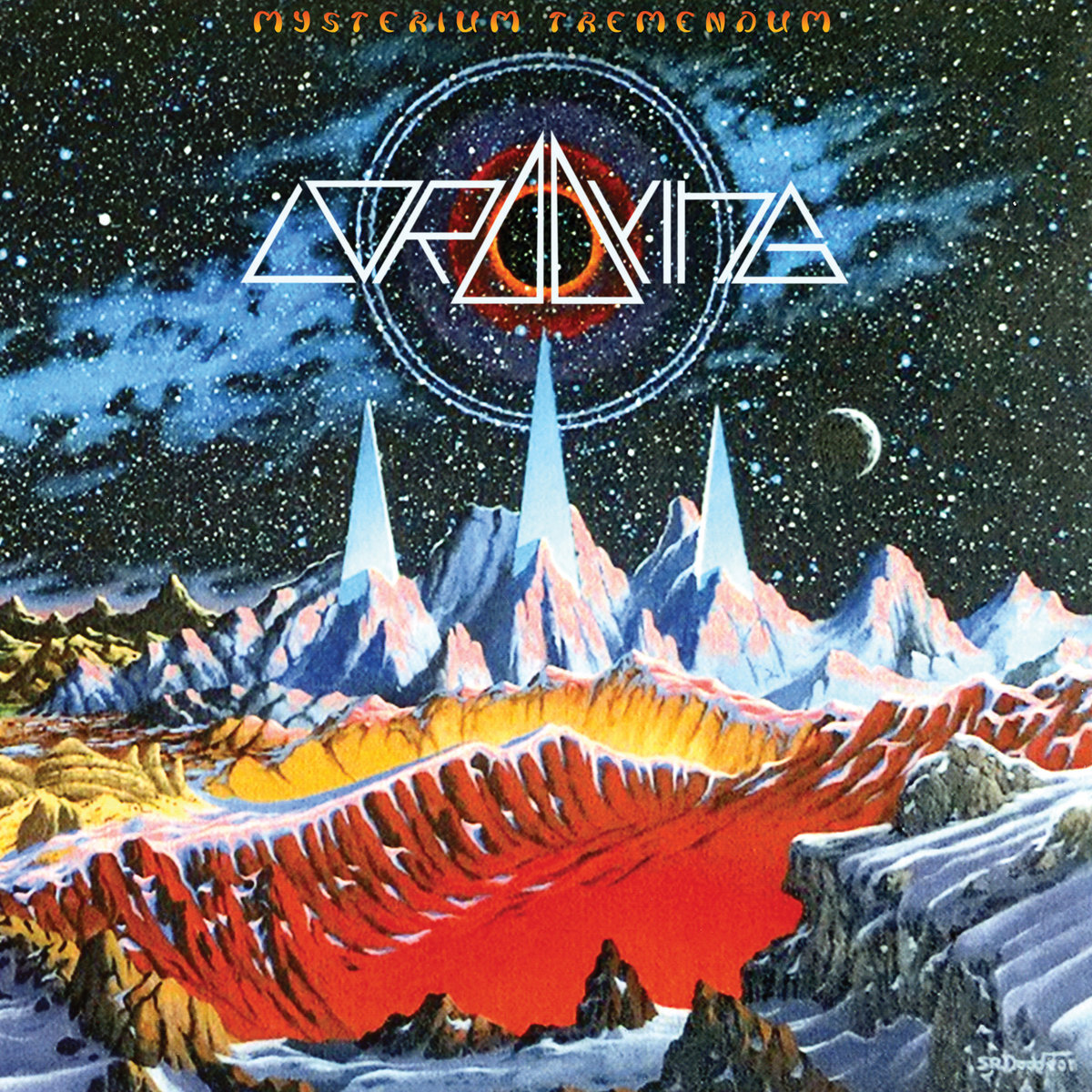
After two albums of solid but frankly one note sludge metal, Lord Dying’s third full-length dramatically broadens their sonic palette. The Portland group’s gruffer tendencies are still present but have been intercepted by progressive influences that seem to be taking more cues from Nevermore than High on Fire. There’s a massive influx of clean vocals and melodic guitar segments that allow the structures to work through a more dynamic spectrum.

This prog takeover may not lead to any elaborate shred-fests or unorthodox time signatures, but the band members have certainly upped their skills. The guitar work is easily the album’s most standout feature as the leads are gorgeously fluid, and the rhythms manage to keep their gritty weight despite the polish. The vocal shift is also quite welcome; guitarist/vocalist Erik Olson isn’t a powerhouse by any means, but his delivery mixes the clean and harsh elements with plenty of pathos. The rhythm section isn’t quite as flashy in comparison, but their presence makes for solid but flexible structuring.

While “Envy the End” starts things off on a driving note, the album’s songwriting takes a rather loose approach. There is a wandering character felt throughout as a majority of songs are driven by extended instrumental segments and meditative buildups. This could potentially make for a bunch of pointless navel gazing, but tracks flow smoothly into one another and the overarching themes of existentialism and death contemplations ensure a sense of direction.


And with that, there are plenty of distinct tracks on display.  The seamless transition from “Nearing the End of the Curling Worm” to “The End of Experience” is an early highlight. The two-minute tracks manage to put in some great variety as “Exploring Inward” builds into the Mastodon-esque “Severed Forever” while “Even the Darkness Went Away” has an almost campfire folk presence. But nothing tops “Saying Goodbye to Physical Form,” an emotional instrument that closes things out in gorgeously uplifting fashion.

Mysterium Tremendum is a fantastic sludge-prog album in its own right and a massive step up in Lord Dying’s trajectory. The band is near unrecognizable compared to their straightforward style on albums past, injecting a slew of new melodic elements but possessing the talent to use them tastefully. There is certainly room for fine-tuning the vocals and the free-flow songwriting method may take some getting used to, but Lord Dying is living up to their potential and then some.

Highlights:
“Envy the End”
“Severed Forever”
“Even the Darkness Went Away”
“Lacerated Psyche”
“Saying Goodbye to Physical Form”

Final Grade: A-

Wednesday, November 20, 2019

Album Review: Mayhem - Daemon


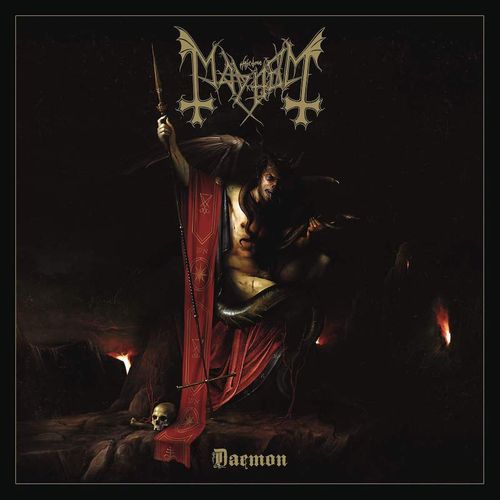
It would be disingenuous to expect Mayhem’s sixth full-length to achieve the classic sound of De Mysteriis Dom Sathanas, but the band also hasn’t sounded this natural in a long time. The production is very well balanced, sidestepping the industrial precision of 2014’s Esoteric Warfare but avoiding the lo-fi claustrophobia of 2007’s Ordo Ad Chao. The guitars are earthy, the drumming sounds organic, and the bass maintains a sturdy presence throughout with the occasional shining segment.

Even with a more orthodox style at work, any project with Attila Csihar on vocals is bound to make the most of his predictable unpredictability. The bulk of his delivery consists of his signature growling bellow but there’s plenty of room for throat singing, distant operatic warbling, and contorted roars. The instrumental layers may be rather straightforward in comparison, but the guitars do a great job of serving up theatrical buildups and intricate riffs.


Said riffs aren’t quite on the ear catching level of the classics, but the songwriting serves up plenty of memorable numbers. “The Dying False King” wastes no time in setting up the blasting onslaughts to follow but “Falsified and Hated” makes for the best example thanks to its off-kilter sound effects. A more atmospheric direction is set up with “Malum” and “Aeon Daemonium” that reaches its full height with the symphonic swells of “Daemon Spawn” and “Invoke the Oath.”

Overall, Daemon isn’t quite the second coming of classic Mayhem but it’s their best album since at least 2004’s Chimera. The album would’ve benefitted from a shorter runtime and the ingredients are all pretty much meat and potatoes, but the performances are lively, and the songwriting is dynamic enough to keep from feeling stale. The black metal world has more revolutionary things going on elsewhere but it’s nice to stop by and see the band still holding up nicely.

Highlights:
“Malum”
“Falsified and Hated”
“Aeon Daemonium”
“Daemon Spawn”
“Invoke the Oath”

Final Grade: B+

Monday, November 18, 2019

Album Review: Coffin Rot - A Monument for the Dead


Coffin Rot’s debut album is right in line with the sort of death metal that’s been picking up traction in the last couple years. Their overall style is somewhere between Entombed and Autopsy with ultra-deep gurgles and grimy guitars that alternate between eviscerating blasts and groovier excursions. But while the Portlanders aren’t the most unique group in the scene at large, they’ve already set themselves apart as one of the most enjoyable.

As befitting the aesthetic, the album is presented with just the right amount of filth. The raw production job swiftly dissuades any notions of polish but there’s enough balance for the savagery to still have some semblance of coherency. The musicianship conveys this mindset even further as the drums put forth some intricate patterns that avoid sounding too mechanical or sloppy while the guitar tone is grainy yet beefy. The growls can be one-note and the bass can sometimes be lost to the grime, but it all works well together.

But what ultimately works in Coffin Rot’s favor is their ability to write songs that are actually memorable. These tracks aren’t exactly dynamic and feature the constant tempo shifts that can quickly lead to interchangeability, but the band is really good about providing ear catching riffs that better prepare the listener for the onslaughts to come. “Forced Self-Consumption” is a strong standout in this regard due to its downright swinging riff set while “Miasma of Barbarity” and “Incubation of Madness” make the most of those grooves. Elsewhere, “Saw Blade Suicide” and “Necrotized” make for some short but sweet rollercoasters.


The album’s coup de grace comes with the band’s self-titled song. The seven-minute runtime casts a menacing shadow over the largely two to four-minute bashings before it and its crawling pace fully embraces the doom that was merely hinted at. It’s enough to make you wonder why they didn’t self-title the album itself, but A Monument for The Dead is a pretty sweet moniker.

Overall, Coffin Rot’s debut album is an incredibly strong first impression. While this filthy brand of death metal could hardly be called accessible in the traditional sense, the band’s penchant for catchy riffs in combination with a compact half hour runtime makes it easier to get into compared to many of their peers. They may not bring much to the table in terms of originality but they’re quite endearing.

Highlights:
“Saw Blade Suicide”
“Forced Self-Consumption”
“Incubation of Madness”
“Coffin Rot”

Final Grade: A-

Wednesday, October 2, 2019

Album Review: Opeth – In Cauda Venenum


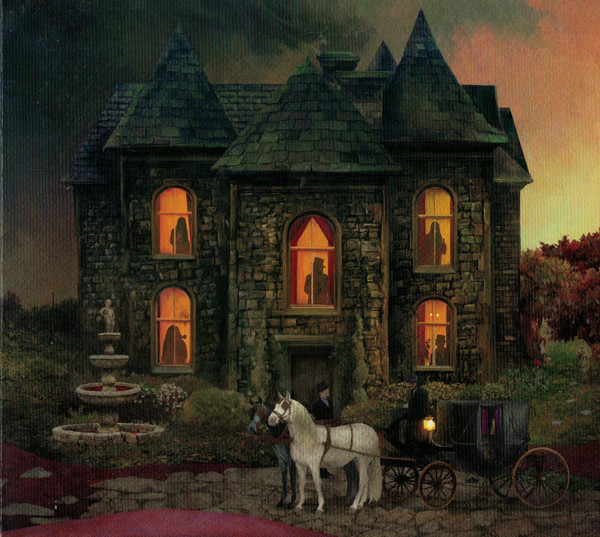
Even if Opeth’s thirteenth full-length album hadn’t been recorded in both English and Swedish, it would still be among their most ambitious efforts to date. Coming off the playful heavy psych stylings of 2016’s Sorceress, In Cauda Venenum takes the band’s signature prog in a decidedly more theatrical direction. The hour-plus runtime is the lengthiest since their death metal days and the music is some of their heaviest in about as long, though you’ll have to keep looking if you’re still holding out for any death growls.

Opeth are no strangers to grandiosity and have a couple concept albums to their name, but they’ve never sounded as cinematic as they do on here. This is established right away with the extended ambiance of the opening “Garden of Earthly Delights” and fleshed out with the spoken segments placed throughout. These elements can seem a little superfluous at times, especially as a non-Swedish speaker, but they reinforce a sense of direction and throw in shades of mystery.

It's also hard to remember a time when their musicianship and overall dynamic sounded this bombastic. Much of this has to do with Dave Stewart's swelling orchestrations emboldening the atmospheric organs and pianos, but the guitars also throw in some of their heaviest riffs in over a decade along with the usual acoustics and proggy leads. The drums also continue to show off the jazzy flair that has become synonymous with this era and the vocal performance is quite dramatic regardless of your lingual preference.

Seeing how my personal appreciation of Opeth’s recent works depends heavily on the songwriting quality, it’s great to see this album deliver some great tracks. The structures are as haphazard as ever, but a sense of purpose and engaging melodies keep the songs from reaching that 'cobbled together' feeling that I often associate with Mikael Akerfeldt's songwriting method. This is perhaps best demonstrated by “Lovelorn Crime” and “Charlatan” as the former’s Watershed-era balladry transitions into the latter’s crunchy swagger quite nicely. “Heart in Hand” and “Universal Truth” also make for exhilarating highlights and I like the slinky jazz character of “The Garroter.”

That said, an hour runtime can make for a bloated experience overall even if the songs themselves are efficient. The opening segment does a good job of setting up the album’s atmosphere, but the instrumental introduction on “Dignity” can make it seem rather redundant. The last two tracks could've also been cut though neither is bad by any means.

Overall, In Cauda Venenum is the most focused that Opeth has sounded since 2005’s Ghost Reveries. It’s easy to dismiss the framework as superficial and I do find myself wondering if I’d appreciate this album as much if the English version was all we had to work with, but there is no denying how much these elements strengthen the band’s songwriting.  Some listeners will never be convinced by Opeth’s prog rock era but the songs here are engaging enough for me to take notice. At the very least, it’s nice to know that Pale Communion wasn’t a fluke.

Highlights:
“Hjartat Vet Va Handen Gor/Heart in Hand”
“MInnets Yta/Lovelorn Crime”
“Charlatan”
“Ingen Sanning Ar Allas/Universal Truth”
“Banemannen/The Garroter”

Final Grade: A-

Monday, July 29, 2019

Album Review: Sabaton - The Great War


When Sabaton announced that their ninth album would be based on World War I, I wasn’t sure if they’d be able to pull it off. Mind you, this was not in the sense that they wouldn’t know what they were talking about. On the contrary, the band puts a lot of effort in deciding topics and making sure their lyrics are historically accurate. My concerns were more based on how they deliver their message; the War to End All Wars was a grievous conflict that had no clear winner and saw extensive suffering for all sides involved. Bands like 1914 and even Iron Maiden understand this, but I was worried that Sabaton’s general “triumph over adversity” attitude could clash with or even cheapen the gravity of their chosen theme.

To Sabaton’s credit, The Great War is one of the band’s darkest albums in quite some time. It doesn’t exactly wallow in the depths of despair, but the atmosphere is decidedly somber throughout as songs like “The Attack of the Dead Men” and the title track put a particular haunting twist on some of their hooks. One can still detect that feeling of heroically charging into battle but even some of the upbeat tracks like “Fields of Verdun” are delivered with an intense urgency that highlights the futility in the attempt to do so.

Of course, there are still plenty of upbeat tracks running about. Tracks like “Seven Pillars of Wisdom” and “82nd All the Way” are archetypal Sabaton numbers as the signature gravelly vocals deliver valiant choruses over flamboyant guitars, chugging bass, and classic Nightwish-style symphonics, the latter song making for a particularly strong highlight. “The Red Baron” is the biggest curveball in this regard, channeling Uriah Heep in its prominent organ and “Easy Livin’” shuffle. I suppose dogfighting can still be seen through a romanticized lens in contrast to the ghastly vision of life in the trenches.

But while The Great War is easily Sabaton’s most epic sounding album since 2012’s Carolus Rex, part of me feels like they could’ve taken it even further. Songs like “The Future of Warfare” and the garbled “The End of the War to End All Wars” certainly show off a heightened scale, but they still keep to fairly conservative three to four-minute runtimes. I would’ve loved to see a longer song or two with swelling transitions and more climactic transitions, but such a hope is about as feasible as expecting to reach the other side of No Man’s Land.

I can’t expect Sabaton to pull out an equivalent to Iron Maiden’s “Paschendale,” but The Great War does a good job of reconciling grim themes with Sabaton’s tried and true formula. The concept doesn’t feel tacked on as it had on The Art of War and the individual songs are more effective than those on The Last Stand, which is enough to dispel most of my worries of mood whiplash. There are better avenues if you want to explore a dead serious take on the subject matter, but this album is a respectable take that is easily in the top half of the Sabaton discography.

Highlights:
“82nd All the Way”
“The Attack of the Dead Men”
“The Red Baron”
“Great War”
“Fields of Verdun”

Final Grade: B+

Sunday, July 21, 2019

A Look Back: Black Sabbath - Master of Reality

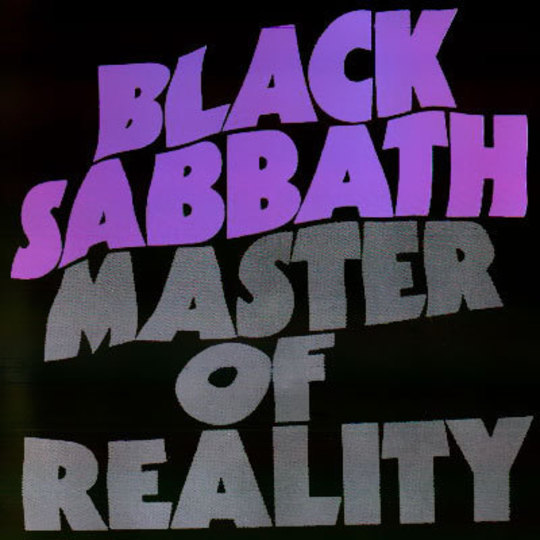
As a millennial, I’ve had more than one friend question if 70s Black Sabbath is actually “metal” by modern standards. Such a concept is obvious heresy but makes some sense if you squint hard enough at it. Omnipresent radio rock staples aside, the band operated outside of heavy metal conventions as often as they were inventing them. Their first two albums are basically dark blues records, the run from Volume 4 to Sabotage might as well be prog rock, and their last two with Ozzy aren’t heavy by any stretch of the imagination. But all things considered, Master of Reality is enough proof that Black Sabbath was always at their core a heavy metal band.


Despite whatever protometal relic you can pull out of your ass, nothing was heavier than Master of Reality in 1971. Tony Iommi’s guitar tone was enough to set that distinction. Black Sabbath’s prior albums had a decidedly ominous atmosphere but his decision to downtune with Geezer’s bass following suit took that sense of impending doom to unprecedented levels. It’s organic enough to not sound out of place in the 70s rock climate but still has enough grime to be just as earthshaking as your modern stoner/sludge metal fare. Groups like MC5 may have been rowdier and more aggressive, but this album still sounds like the goddamned apocalypse.


The band also seemed to be tighter as a unit with a much more focused vision. The Sab Four always had fantastic chemistry but the structures on this album are more fully realized than anything that had come before. Nothing on Paranoid could’ve ever reached the speeds of the charging “Children of the Grave” and while the tempo shifts on songs like “Sweet Leaf” and “Into the Void” are nothing new, they were never this purposeful. The band was clearly done meandering around and not a single second is wasted, effectively bridging the gap from the psych blues jams of “Warning” and “N.I.B.” to the elaborate journeys of “Megalomania” and “Wheels of Confusion.”

Of course, the album’s stellar songwriting is what truly drives everybody and their father to imitate it so much. Whether you’re looking at the “Lord of this World” doom chugs, the proto-power metal “After Forever,” or the ambient “Solitude,” every song has a legendary status with influences heard in multiple demographics. But in contrast to Paranoid’s overplayed nature, these songs are actively sought out and seemingly spread in a much more organic fashion. Everybody in the underground knows “Sweet Leaf” and “Children of the Grave” but is anybody as sick of them as they are of “War Pigs” and “Iron Man?”

Master of Reality is a perfect album by every standard. It shows Sabbath at their best as musicians and songwriters while setting an insanely high bar for all other heavy metal acts to follow. Some could deem the album too short, especially with two of eight songs being short interludes, but anything more would just be superfluous. The individual songs are all complete and the short overall length feels like a challenge for anybody who would follow in their footsteps. I can only imagine how cataclysmic this thing sounded back in ’71 but with how timeless it sounds, you don’t have to come at it from that angle to fully appreciate it.

Highlights:
“Children of the Grave”
“Lord of This World”
“Solitude”
“Into the Void”
Final Grade: A+

Wednesday, June 5, 2019

Album Review: Enforcer - Zenith


Lately I’ve noticed a trend of younger traditional metal bands picking up more glam tinges on their most recent efforts. Some bands like Cauldron and Striker gradually built upon influences that had always been there while others like Hitten pretty much changed their sound overnight. Any such bandwagon is likely an invention on my part, but Enforcer has definitely opted for the latter path. At the very least, their fifth full-length album is a major departure from their speed metal roots.

While Enforcer’s past albums were executed in a charging Iron Maiden mold, Zenith seems to be taking its cues from more pristine acts like Def Leppard or Lizzy Borden. This is most evident in the vocal performance; it still occupies a high-pitched range but the extensive layering and almost prissy phrasing triggers associations with Joe Elliot. Further polish is demonstrated in the guitars’ restrained chugs and vibrantly simple leads, the rhythm section’s consistently basic patterns, and the keyboards’ pleasant window dressing.

Any thoughts of dumbed down musicianship are immediately negated by the songwriting’s stylistic hodgepodge. “Die for the Devil” is the most overt about its glammed-up nature thanks to its Hysteria-style vocal layers and mid-tempo guitar gloss while other tracks like “Zenith of the Black Sun” boast a more symphonic character. “Regrets” proves to be the album’s most drastic outlier, moving into all-out power ballad territory with all sense of self-awareness left behind.

But even when you’re able to move past these hurdles, Zenith remains a rather awkward listen. The variety suggests adventurous intent, but there’s an air of desperation as the catchiness of songs like “Forever We Worship the Dark” borders on pandering while experiments like the prog attempt of “Sail On” come off as forced. Even songs where one can hear those speedy remnants like “Searching for You” and “Thunder and Hell” are more in line with Helloween’s most saccharine anthems than the scorchers of before.

I’m not one to harp on album titles too often, but Zenith was an awkward choice for Enforcer’s fifth full-length effort. Such a declaration makes it an easy target for disgruntled speed metal fans, but even more open-minded listeners will find this to be a rough execution. The musicianship suits the material and even the worst songs aren’t as bad as people will say, but the uncertainly felt throughout would’ve benefitted from a smoother transition. Hopefully the band will be able to regroup but albums like Diamonds and Death by Fire remain comparably safer recommendations.

Highlights:
“Zenith of the Black Sun”

"Regrets"

Final Grade: C+