Monday, March 14, 2016

Review of Conan's Revengeance

Things have changed quite a bit in the Conan camp since the release of 2014's Blood Eagle. Guitarist/vocalist Jon Davis is the only member left from those sessions as drummer Rich Lewis makes his debut with the UK trio and longtime producer Chris Fielding has come on for bass and backing vocal duties. The resulting studio album stays true to Conan's bludgeoning caveman doom approach but also evaluates some different takes on tempo and vocal dynamics.

When the punk beat kicks in for the opening "Throne Of Fire," it becomes clear that Revengeance will be the band's fastest effort to date. They've always placed the odd upbeat track between the longer drones of amplifier worship, but there's not been much like the driving parts or the borderline black metal blasts on the title track before. Fortunately, the massive guitar and bass chugs keep the various tempo fluctuations consistently weighted.

Faster moments aside, the slower songs remain the most dominant and boast their own variety. While "Wrath Gauntlet" stands out for its sluggish blues rhythm, the second half provides the most earth-shattering cuts. "Every Man Is An Enemy" keeps its activity to a mid-tempo level while "Earthenguard" is a meditative track that recalls classic Om and makes strong use of its near twelve minute running time.

But in a way similar to Mastodon's maturation, the vocal evolution that Revengeance demonstrates is what truly sets it apart from its predecessors. The format is still based on the guitarist and bassist yelling over the riffs but their prominent spot in the mix makes them more articulate than before. In addition, the more fleshed out lyrics make the vocal lines more elaborate than the simple battle slogans and there are more trade-offs between the two singers. I would've loved to hear how previous bassist Phil Coumbe would sound contributing his bellow to this, but there's not much here to complain about.

I may prefer Blood Eagle but Conan's third full-length album will likely leave a deeper impression. Its forays into faster tempos and more prominent vocals work well with their brand of sludgy brutality and may even enhance the ideas behind their barbaric imagery. I don't see them getting as far out there as Mastodon or Baroness, but there is more to their boneheaded formula than meets the eye.

Highlights:
"Revengeance"
"Every Man Is An Enemy"
"Earthenguard"

Wednesday, March 9, 2016

Review of Church of Misery's And Then There Were None

Church of Misery has spent its twenty year lifespan revolving countless lineups around bandleader bassist Tatsu Mikami, but the group usually stuck to its Japanese roots. Now with its sixth full-length album, the Church has opened its doors to create a supergroup of sorts based on the American doom scenes. Thankfully the result is a powerful album that is a worthy addition to the band's serial killer obsessed legacy.

While the production job and musicianship may have more polish than past efforts, And Then There Were None has the band's signature tropes firmly intact. The riffs are executed in a sludgy stoner fashion and the sparse samples run well with the usual lyrical themes of non-fictional sadism, torture, and murder. Mikami's bass lines predictably lead the charge but the other members find ways to leave strong impression. Eric Little's drumming directs the tempo changes well, guitarist Dave Szulkin puts a pummeling stamp on the material, and Scott Carlson's first vocal session since the early days of Repulsion sees him pull off a husky yet melodic growl that channels Lee Dorrian and Earthride's Dave Sherman.

The songs aren't bringing much new to the table but they are satisfying in their variety. The mid-tempo grooves on "Make Them Die Slowly" and "Confessions of an Embittered Soul" are among the most infectious ever recorded and the swing on "Doctor Death" is truly something to behold. Like any doom band, you'll find your share of Sabbath homages as "Suicide Journey" is a "Planet Caravan" style interlude while the shuffle on "River Demon" is a near beat for beat echo of "Wicked World."

The logistics surrounding this lineup may lead to it being a temporary studio venture, but And Then There Were None is more than worthy of being associated with Church of Misery. While it may not be as gritty as some of their other efforts, the excellent riffs and vicious vocals make it a shining example of how this genre should be played. Highly recommended to both new listeners and thoe who thought that Thy Kingdom Scum would be the Church's final sermon.

Highlights:
"The Hell Benders"
"Make Them Die Slowly"
"Doctor Death"
"Confessions Of An Embittered Soul"

Saturday, March 5, 2016

Review of Brimstone Coven's Black Magic

Like many other bands in the 70s inspired occult rock movement, Brimstone Coven's second full-length album works through several different styles. Songs like the opening title track and "The Seers" are led by slow doom riffs, "Beyond The Astral" and "Slow Death" ride classic rock grooves, and "As We Fall" and "The Plague" take trips to more mellow dreamscapes. Everything is unified by a vintage bottom heavy production style and the expectedly diabolical lyrics delivered by vocalist "Big John" Williams.

The variety is welcome and nothing sounds out of place, but it does feel like the elements of each style tend to cancel the others out. The distant production job diminishes some of the impact that the heavier riffs aim for while the looser jams can feel somewhat stilted at times. At first, one may wonder if the band may need to focus more on certain aspects of their sound but it may just come down to a need for more charismatic musicianship.

The title track starts things off in a heavy fashion and the following songs are pleasant enough to listen to, but the second half is where things really get interesting. "Slow Death" is easily the album's biggest highlight as its bluesy Deep Purple swing brings in a great deal of energy and the rhythm section shows off some strong chops during the jams. "The Seers" and "The Eldest Tree" also do a good job of standing out thanks to their more powerful riffs and memorable vocal lines.

A greater sense of conviction would make Brimstone Coven's second full-length album a modern classic but the solid songwriting and their genre's inherent listenability still make it worth checking out. The numerous styles that are presented here give the band a lot to work with and greater potential for even more interesting efforts in the future. In the meantime, Black Magic is a safe listen for fans of all things doom and 70s rock.

Highlights:
"Black Magic"
"Slow Death"
"The Seers"
"The Eldest Tree"

Friday, March 4, 2016

Local Love: Review of Zephaniah's Reforged

Though Reforged is Zephaniah's first album since their 2008 debut, it stays close to the power/thrash metal template that that album had established. The songs are as melodic as they are speedy, the structures avoid convention, and the musicianship provides a great deal of energy and technicality. However, the time between releases has resulted in a more mature effort as the songs are longer, the tone gets darker, and the lyrics seem to take themselves a smidge more seriously.

But while the band members put in stellar performances and every instrument is frequently able to be heard, the production does feel a bit off balance. Cody Johns' nonstop drum attacks provide plenty of power but also feel rather cluttered at times. Logan Detwiler's vocals are more confident than before but he still seems to finding his footing in the grand scheme of thing. Fortunately, the guitar harmonies are the subject of many shining moments and bassist Ian Bender's bass constantly demands attention at a rate not seen in power metal since classic Helloween.

The songwriting also makes up for any flaws in the presentation. After two solid opening tracks, things get interesting as a trilogy of songs based on the Mad Max series comes blazing through. "Mad Max" and "Road Warriors" offer the album's most focal points of thrash influence while "Thunderdome" is a mid-tempo fight song complete with infectious battle chants, dark rhythms, and a couple appropriate samples. From there, "Quest For The Holy Crown" is a righteous nine minute track and "Battle Hymn for the Victorious" fades out on an epic Manowar inspired refrain.

Overall, Zephaniah's sophomore effort makes up for the time since its predecessor by outdoing it in just about every way. While the production feels jumbled, the musicianship and songwriting are impressive enough to make them a noteworthy entry to the modern American power metal scene. Here's hoping their third album doesn't take as long and also manages to shove a tune about FUry Road somewhere in time...

Highlights:
"Mad Max"
"Road Warrior"
"Thunderdome"
"Battle Hymn of the Victorious"

Tuesday, January 19, 2016

Local Love: A Look Back at The Gates of Slumber's Suffer No Guilt


For the majority of their career, The Gates of Slumber jumped back and forth between slower than molasses doom and energetic gallop-friendly traditional metal. With the exception of the instrumental interludes and the mid-tempo yet shred friendly “Dweller in The Deep,” a line seems to have been drawn on 2006’s Suffer No Guilt as the songs consist of either droning marches or Maiden-style speed runs.  While the seventy minute run time can make Suffer No Guilt an exhausting listen at times, its open display of the Indianapolis trio’s various influences makes it one of their most satisfying listens.

Though contemplating which tempo is more enjoyable will likely depend on a listener’s individual preference, the faster tracks are the easiest to get into. “Angel of Death” in particular makes for a strong start for the album as its upbeat guitar riff leads into a rough but catchy vocal delivery. However, the album’s most powerful moments come when the drums slow down and rung out chords take over. “God Wills It” may be a demanding listen at twenty minutes long, but the title track’s memorable riff and the majesty on “Riders of Doom” make them impossible to deny.

The band members’ consistent performances also keep the various styles on the album from sounding out of place with one another. The production job is cleaner and Karl Simon’s vocals aren’t as rough as they were on 2004’s …The Awakening, but his guitars have the same power and adhere to bare bones rhythms despite the tempo. In addition, drummer Chris Gordon adjusts to the changes well and bassist Jason McCash justifies the trio format by keeping the rhythms flowing during the solos.

While Suffer No Guilt could probably stand to have a few song lengths edited and an interlude or two taken out, its strong songwriting and tempo dexterity make it one of the The Gates of Slumber’s most definitive achievements. Doom fans are advised to go for The Wretch and traditional metal fans will likely find Hymns of Blood and Thunder more to their liking, but this album does make for a good go between once an overall appreciation for the band has been established.

Highlights:
“Angel of Death”
“Suffer No Guilt”
“Riders Of Doom”
‘Dweller In The Deep”

Monday, January 18, 2016

Local Love: Review of Apostle of Solitude's Of Woe and Wounds


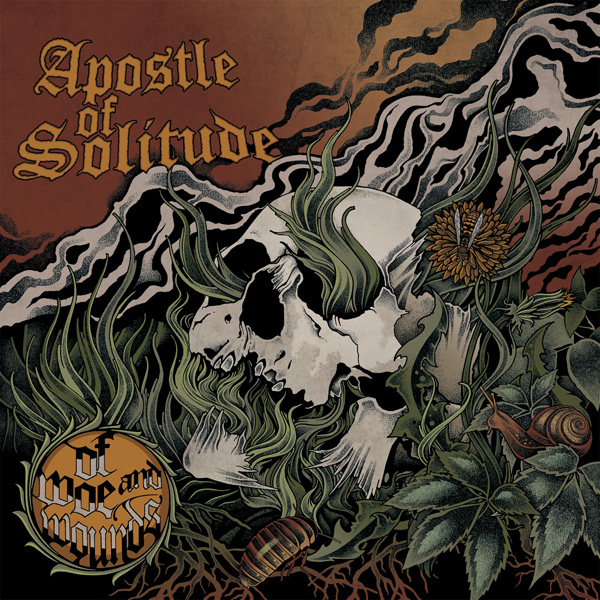
Of Woe and Wounds, the third full-length album by Apostle of Solitude, is the most ambitious effort that the Indianapolis doom group has put together so far. In contrast to the experimental tracks found on Sincerest Misery and Last Sunrise, this album makes a statement of definitive purpose and the song structures have a stronger feeling of unity and completion. It may be downright accessible by doom metal standards but the depths this album reaches also make it apparent that they haven’t lightened up by any means.

While Of Woe and Wounds rarely strays from the melancholic doom template popularized by Warning and Pallbearer, the changes in the band dynamic result in a few new quirks being thrown into the mix. The addition of bassist Dan Davidson gives the rhythm section a boost on “Whore’s Wings” and recruiting Devil to Pay guitarist/vocalist Steve Janiak results in extra care being put into the album’s vocal arrangements. His grungy timbre on “Lamentations of a Broken Man” makes me wish he had been more prominently featured but Charles Brown’s Reagers-style cries deliver excellent hooks on numerous occasions.

 The songs themselves also manage to cover a lot of ground in comparison to previous efforts. The pounding riffs and forlorn vocals on “Blackest Of Times” would’ve made it one of doom’s most brilliant openers if not for the “Distance And The Cold Heart” prelude while “Die Vicar Die” offers a simple but catchy hook to go along with its waltzing rhythms. Elsewhere, “Whore’s Wings” and “This Mania” aim to be the band’s fastest songs ever, “Push Mortal Coil” brings in some swing in the vein of “The Messenger,” and “Luna” just might be the band’s most downtrodden.

Apostle of Solitude has always been a band worth noting in the modern day doom scene, but their third full-length is a noteworthy achievement that should be looked into by just about any metal fan. The songwriting is much more focused and the songs have the potential to become major staples with a little more time and press behind them. The band will likely find ways to continue expanding their sound in the future but here’s hoping they’ll still live up to this standard of consistency.

Highlights:
“Blackest Of Times”
“Whore’s Wings”
“Die Vicar Die”
“Push Mortal Coil”
“Luna”

Tuesday, December 29, 2015

A Look Back at Motorhead's Inferno

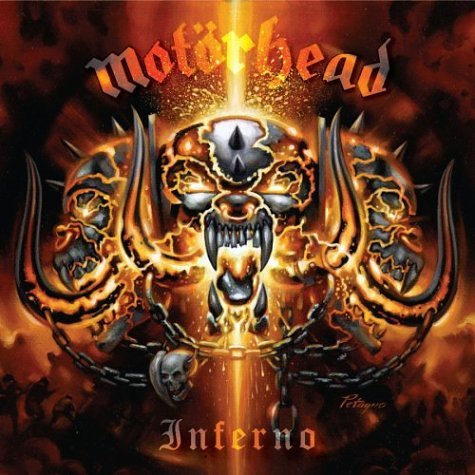
Contrary to popular belief, Motorhead didn’t always release the same album every time they recorded something. While they didn’t stray too far from the template that was laid down by Lemmy’s bass distortion and gargled wheeze, their sound did evolve over time as they discovered variations to their tried and true formula. 2004’s Inferno is one of the finest examples of this phenomenon, giving the band a major burst of energy as they were reaching the latter days of their career.

Overkill and Ace of Spades are more influential and were ungodly vicious for their time, but Inferno just might be the heaviest album Motorhead ever put out. Phil Campbell’s guitar tone is at its most dominant thanks to the bright production job though the rhythm section still holds its own throughout. The songs themselves also seem to be more up tempo than usual as the pummeling “Terminal Show” and “Fight!” pack in several thrash riffs while others such as “Life’s A Bitch” and “Smiling Like A Killer” thrive on a punk oriented delivery.

Of course, the sing-along hooks still offer plenty of melody and there are some slower moments that keep things interesting. “Suicide” may be the most accessible song on here thanks to its building guitar work and surprisingly catchy vocal layering and “Keys to the Kingdom” also stands out for its mid-tempo shuffle. One also can’t forget about the closing “Whorehouse Blues” as Mikkey Dee trades his drums in for another guitar and Lemmy breaks out the harmonica for a rousing acoustic jam that makes you wonder how many of these the band had left in them.

But when it comes down to it, Inferno stands out thanks to its more ambitious scope. You won’t find any fancy frills on here but moments like the building intro on “Killers” and the lyrical imagery on “In the Year of the Wolf” give things a more noticeable weight than usual. Albums like 1916 had attempted this sort of thing before but it’s never sounded as natural as it does here.

If Inferno isn’t the best album that Motorhead ever put out, then it’s a surprisingly powerful addition to their extensive discography at the very least. The songs may be not as iconic as their classic staples but they’re written with a great deal of care and the energy involved is well worth the price of admission. It’s a shame that the band never reached their level of intensity again but they never stopped finding ways to live up to their unshakeable reputation.

Highlights:
“Terminal Show”
“Killers”
“Suicide”
“Smiling Like A Killer”
“Whorehouse Blues”