Thursday, April 16, 2020

Album Review: Testament - Titans of Creation


With Testament releasing albums at consistent four-year internals since 2008’s The Formation of Damnation (On election years too, no less), it’s only natural for them to stick with a reliable thrash style. Their twelfth full-length doesn’t deviate too far from that formula, riding on the defining core of Eric Peterson’s chunky guitar work and Chuck Billy’s gruff versatility. But at the same time, Titans of Creation manages to put in its share of distinct quirks.

Coming off the direct pummeling on Brotherhood of the Snake, this album feels closer to Dark Roots of Earth with its broader influences at play. Lead guitarist Alex Skolnick and bassist Steve DiGiorgio have heightened presences this time around, most notably contributing the angularly intricate rhythms of “Symptoms” and “Code of Hammurabi” and the Eastern tinges on “Ishtar’s Gate.” “Night of the Witch” and “Curse of Osiris” also see the band experimenting with black metal influences complete with more extreme drumming and Peterson’s supplementary shrieks, instantly triggering Dragonlord associations.

But with these factors in mind, the songwriting doesn’t quite stick the landing. “Dream Deceiver” and “City of Angels” come out strong thanks to their memorable choruses and more melodic touch, but neither quite reaches the height of a true staple. The album’s near hour runtime doesn’t help either; there aren’t any bad tracks on here but a song or two like “The Healers” could’ve been cut without too much trouble.


The inclusion and placement of “Catacombs” as an outro is another minor but very noticeable nitpick. It definitely should’ve been the album’s intro as its swelling symphonics build up to something that isn’t actually there. It also doesn’t help that the guitar chugs are nearly identical to those on “Legions (In Hiding).” When I listened to this album for the first time, I thought that I had somehow switched over to Low by mistake.

For better and for worse, Titans of Creation is another serviceable Testament album. It offers the tropes that fans have come to love with a few extra spices but seems to be holding back in certain regards. The hooks aren’t as effective as the 80s albums and the incorporation of extreme influences isn’t as innovative as it’d been in the 90s. Those who’ve appreciated the other albums of Testament’s comeback era should enjoy this one just as much, but I admit that Dark Roots of Earth is starting to feel like a fluke.

Highlights:
“Dream Deceiver”
“City of Angels”
“Gates of Ishtar”
“Curse of Osiris”

Final Grade: C
Tuesday, April 7, 2020

Album Review: Freeways - True Bearings


Following up 2017’s Cold Front EP, Freeways’ first full-length album is an enjoyable drive through the best of 70s melodic rock. While the band never goes full AOR, there’s a certain shine to the material that recalls a mix of Thin Lizzy and Boston with sprinklings of Fly by Night-era Rush. There’s also a brazen feel-good attitude that reminds me of more contemporary bands like High Spirits and Gygax, but I wouldn’t necessarily call this metal.

The musicianship strikes a perfect balance befitting the style, easygoing without sounding milquetoast and active without getting too brash. With the rhythm section setting a rock-solid foundation, True Bearings is a very guitar-oriented album. The leads play off each other beautifully and the riffs are executed with a vibrant tightness. The vocals’ workman delivery also suits the material well, putting in a nasally melodicism that reminds me of Cauldron or Haunt.


While such a meat and potatoes method could’ve made for generic songwriting, the album’s seven tracks are accessibly engaging. Moving from the EP to full-length format allows the band to stretch their dynamics a bit more, resulting the title track’s dreamy atmosphere and the slinkiness of “Dead Air.” From there, “Battered & Bruised” adjusts the tempo to a more mid-paced battering that comes to a hazy swing on the slow, seven-minute splendor of “Time Is No Excuse.” The opening and closing tracks do a splendid job of bookending the album with more straightforward rock roll.

As the RV on the cover art indicates, True Bearings is an album tailor made for cruising. While its classic rock influences are readily recognizable, the vibrant musicianship and upbeat execution give it a distinct identity. Along with groups like Tanith and Demon Eye, this is the sort of album that demands to be put on a road trip playlist alongside your old favorites. This is the sort of feel good music we’ve been needing and I’m happy to see Freeways deliver it.

Highlights:
“True Bearings”
“Dead Air”
“Battered & Bruised”
“Time Is No Excuse”

Final Grade: A-

Wednesday, March 11, 2020

Album Review: Ambush - Infidel


Ambush has always had a more accessible edge compared to most of their peers in the NWOTHM movement and that’s especially true on their third album. Infidel seems to have mixed influences from Scorpions and Dokken in with their usual Riot and Judas Priest; the backing vocals are noticeably cleaner throughout and the rhythms on songs like “Yperite” and lead single “Hellbiter” would feel right at home on Blackout or Love at First Sting.

Thankfully the shift is incorporated gradually enough to avoid sounding watered down. A good majority of Infidel keeps to the blazing power metal speeds established on the band’s first two albums and songs like the title track and “Iron Helm of War” are rife with gang shouts and soaring guitar solos and harmonies. The darker tone on “A Silent Killer” makes for another strong track, drawing comparisons to such groups as Midnight Priest and Satan’s Hallow.


The album also benefits from a strong production job and great musicianship. The mix is pristinely balanced, but the bass and guitars come out especially strong, the former displaying more booming prominence and the latter putting in the band’s beefiest tone thus far. There’s a punchiness that makes things breezy regardless of the tempo at hand and the vocals keep that Tony Moore-style range quite nicely.

Much like the recent albums by Traveler and RAM, Ambush’s third album is affirmation that some extra catchiness can go a long way in making meat and potatoes metal more enticing. The contagious enthusiasm alone would be enough for a safe recommendation to classic metal fans, but the strong writing and energetic playing forge the band’s best achievement to date. Five years is a long gap for such a stylistically conventional album, but its masterful execution is more than worth the wait.

Highlights:
“Yperite”
“Hellbiter”
“A Silent Killer”
“Heart of Stone”
“Lust for Blood”

Final Grade: A-

Wednesday, January 15, 2020

Album Review: Annihilator - Ballistic, Sadistic


I’m not sure how they pulled it off but there isn’t a single outlier track on Annihilator’s seventeenth album. No joke songs, out of genre experiments, groove metal slowdowns, or even a power ballad to be found anywhere on Ballistic, Sadistic. What you will find are ten songs of nonstop high-octane thrash metal from start to finish. This setup seems poised to expand upon the technical attitude that returned with 2017’s For the Demented and just might be the most punishing, straightforward effort they’ve ever released.

Alas, the Annihilator flavor seems to always be vanilla no matter how consistently it’s portrayed.

Somehow the disconnects between the band’s musicianship and songwriting skills are even more apparent without all the weird shit on display. The drums are executed with mechanical precision and the guitar work is as intensely intricate as ever, but the structures generally opt for energetic sweeps and drive-by melodicism in lieu of memorable riffs. The vocals even manage to show noticeable improvement and greater confidence yet are stuck delivering the same predictably stilted verses and flatly barked choruses.


Their tendency to recycle song concepts is also more blatant than usual. The “Stonewall” flashbacks on lead single “Psycho Ward” are manageable thanks to it having a memorable chorus in its own right, but the “Knight Jumps Queen” miming on “Lip Service” is far too close for comfort. It’s especially egregious when you consider that “The Demon You Know” off the previous album had already retread this ground with a much more enjoyable spin.

Ballistic, Sadistic is hardly the worst Annihilator album out there but it certainly highlights their one step forward, two steps back trajectory. The prospect of an effort completely free of any bizarre experiments is ultimately hindered by the unmemorable results. Fans of the band are sure to get something out of the relentless playing but even the more solid thrashers come out generic as what should be a savage barrage just lapses into soundalike speed. There must be a way to channel the varying moods of Annihilator records past without getting saddled with their awkwardness. As much as I'd love to see it happen, I’m rather skeptical.

Highlights:
“Psycho Ward”
“I Am Warfare”
“Riot”

Final Grade: C-

Monday, December 23, 2019

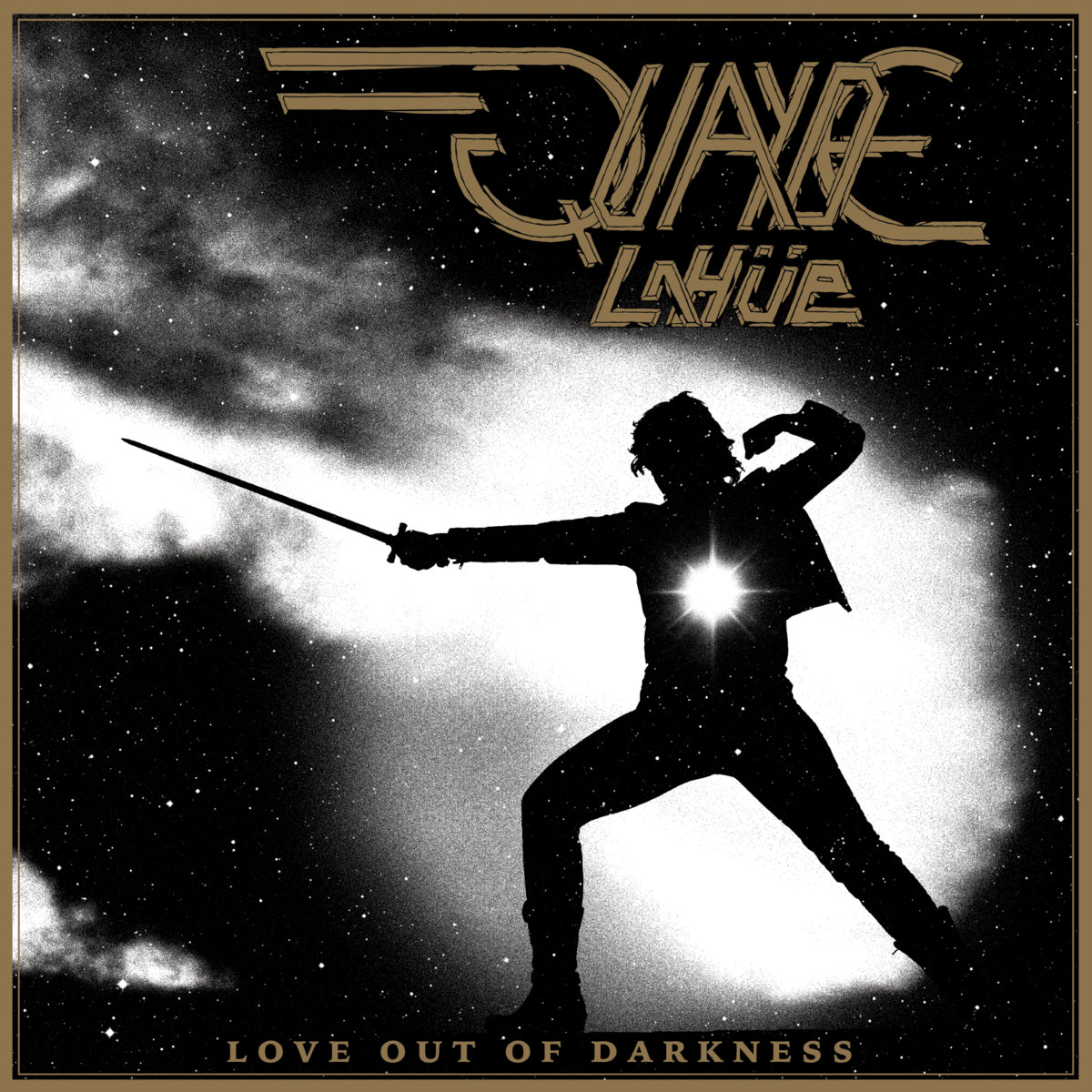
Album Review: Quayde LaHue - Love Out of Darkness


As with the two EPs they released in 2016 and 2017, Quayde LaHue’s first full-length album skirts the line between hard rock and classic metal. The overall mood has a metallic coldness similar to that of Sanhedrin, but the songs themselves generally opt for breezy tempos at an often-easygoing pace. There’s a heavy emphasis on melody executed with a certain sass that sometimes feels like Thin Lizzy as fronted by Heart’s Ann Wilson.

The musicianship also has a certain conviction that sets Love Out of Darkness apart from the band’s EPs. You won’t find too much double bass work or overtly aggressive gallops, but the drums hit hard, and the guitars put in plenty of active chugs and twin harmonies. I can also appreciate the slight snarl behind the vocal delivery, especially considering the woman scorned narrative that flows throughout. It might’ve benefitted from even more oomph, but the execution is tasteful as is.


There’s also some considerable variety in the songwriting. The upbeat “Give Me Your Love (Don’t Take Mine)” makes a solid first impression, but the fuzzy wash over “Heart of Stone” and the mid-tempo “Warrior” are even more effective contrast. I also appreciate how the last three songs form a semi-suite as “Fallout” sets up an ominous attitude that is played up even further on “It Still Burns” and reaches a speedy climax on “Right to Rock.” The light, grungy tinges of “Before the Storm” make for an odd outlier at the album’s halfway point, but it’s serviceable.

Overall, Quayde LaHue’s first full-length makes for some enjoyable hard rock swagger. It has old school elements without feeling too much like a throwback and the songwriting is fun without being too mindless. One gets the sense that these songs sound even better live but there’s enough weight to keep things from sounding toothless. The band likely has stronger efforts in their future but is clearly taking charge to see them through.

Highlights:
“Heart of Stone”
“Warrior”
“Widowmaker”
“It Still Burns”

Final Grade: B+

Thursday, December 5, 2019

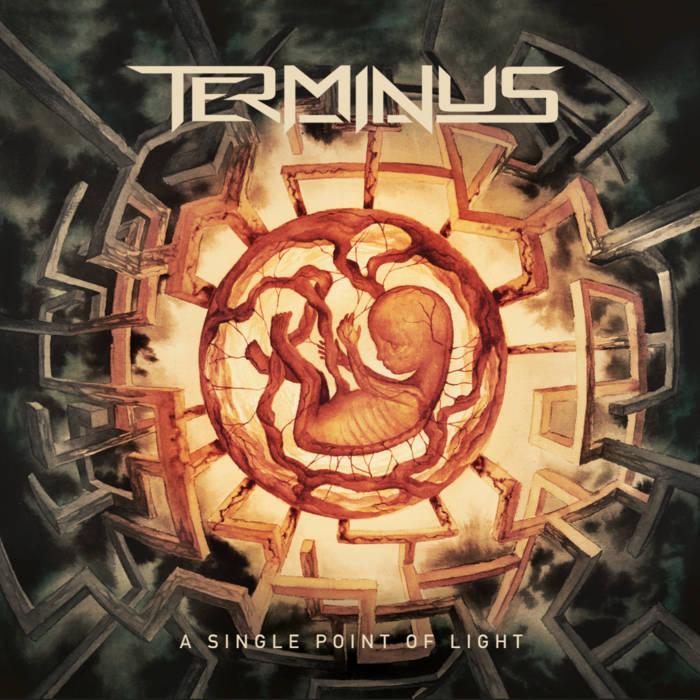
Album Review: Terminus - A Single Point of Light


Most bands tend to start with a couple core members and expand their lineup over time, but the opposite seems to have occurred with Terminus. What started as a quintet on 2015’s The Reaper’s Spiral has come down to a duo on their second album with drummer David Gillespie handling all the instrumentation and James Beattie providing vocals. Terminus remains not only undeterred in delivering their epic metal vision but might’ve actually improved on A Single Point of Light.

Thankfully the lineup shift never feels like a downgrade as the musicianship is sufficiently competent. The guitar tone has a grainy edge and the drums have an odd echo, but the actual performances are very natural. You wouldn’t guess one man is performing all the instruments as the harmonies are smoothly integrated and the rhythms have plenty of power behind them. It also helps that the vocals are in the sweet spot where they’re blunt without being one-dimensional and varied without showboating.


The songwriting is also pretty solid with songs consisting mostly of up-tempo gallopers. I find myself wishing some of these tracks had more breathing room but “As Through a Child’s Eyes” and “Cry Havoc” get in some memorable vocal lines. The album is at its best when opting for more mid-tempo pacing; “Harvest” is an early highlight thanks to its fluctuating march and the closing “Spinning Webs, Catching Dreams” puts in the sort of sprawling stride that would make Solstice proud.

When considering the circumstances of its conception, Terminus has a strong showing on their second full-length album. As much as I would like the hard-hitting riffs and rhythms to translate to more impactful hooks, the musicianship is undeniably powerful. The group isn’t quite at the top of the epic metal food chain but they’re definitely keeping up and could offer something even better. Fans of groups like Gatekeeper and Atlantean Kodex will find a lot to enjoy here.

Highlights:
“Harvest”
“Cry Havoc”
“Spinning Webs, Catching Dreams”

Final Grade: B+

Tuesday, December 3, 2019

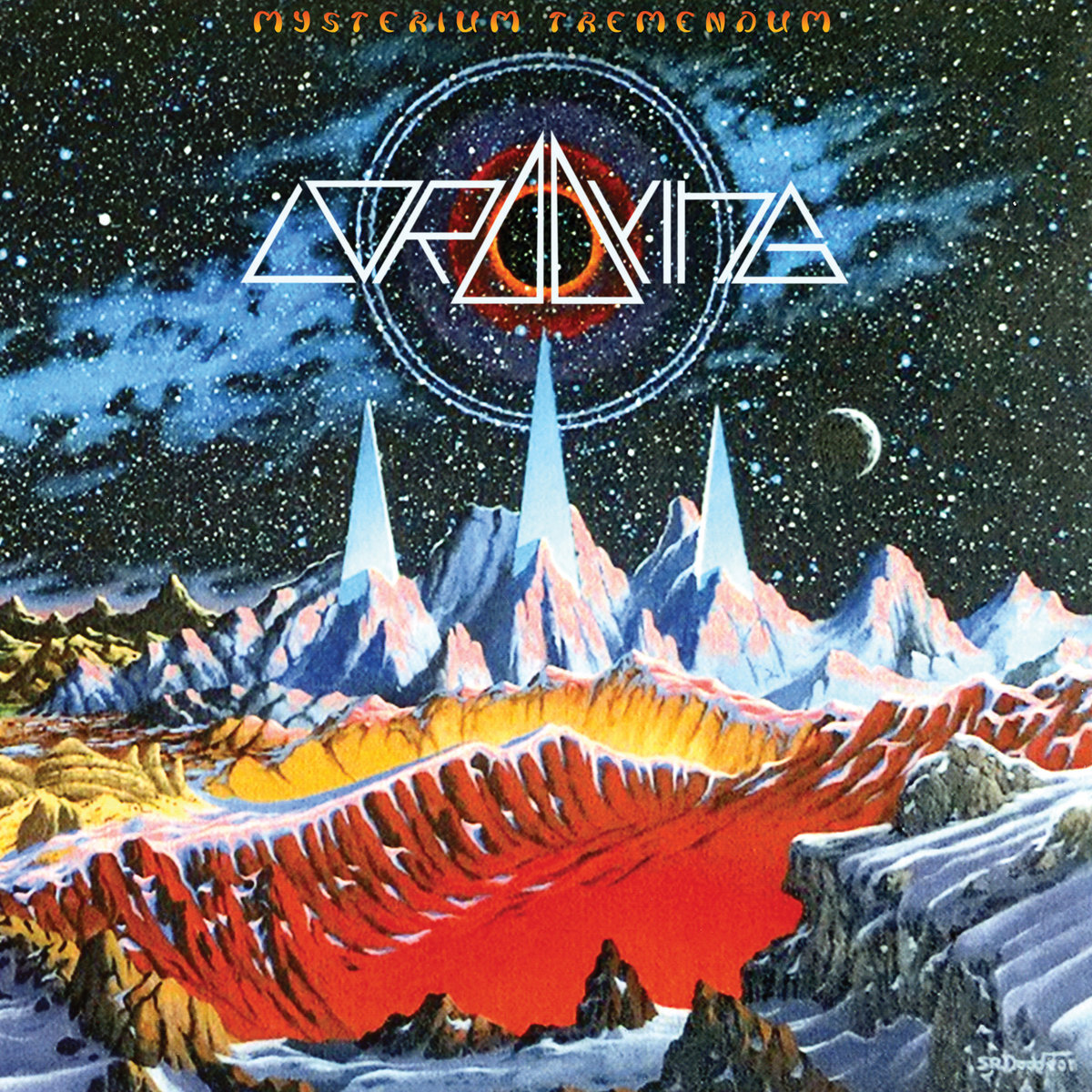
Album Review: Lord Dying – Mysterium Tremendum


After two albums of solid but frankly one note sludge metal, Lord Dying’s third full-length dramatically broadens their sonic palette. The Portland group’s gruffer tendencies are still present but have been intercepted by progressive influences that seem to be taking more cues from Nevermore than High on Fire. There’s a massive influx of clean vocals and melodic guitar segments that allow the structures to work through a more dynamic spectrum.

This prog takeover may not lead to any elaborate shred-fests or unorthodox time signatures, but the band members have certainly upped their skills. The guitar work is easily the album’s most standout feature as the leads are gorgeously fluid, and the rhythms manage to keep their gritty weight despite the polish. The vocal shift is also quite welcome; guitarist/vocalist Erik Olson isn’t a powerhouse by any means, but his delivery mixes the clean and harsh elements with plenty of pathos. The rhythm section isn’t quite as flashy in comparison, but their presence makes for solid but flexible structuring.

While “Envy the End” starts things off on a driving note, the album’s songwriting takes a rather loose approach. There is a wandering character felt throughout as a majority of songs are driven by extended instrumental segments and meditative buildups. This could potentially make for a bunch of pointless navel gazing, but tracks flow smoothly into one another and the overarching themes of existentialism and death contemplations ensure a sense of direction.


And with that, there are plenty of distinct tracks on display.  The seamless transition from “Nearing the End of the Curling Worm” to “The End of Experience” is an early highlight. The two-minute tracks manage to put in some great variety as “Exploring Inward” builds into the Mastodon-esque “Severed Forever” while “Even the Darkness Went Away” has an almost campfire folk presence. But nothing tops “Saying Goodbye to Physical Form,” an emotional instrument that closes things out in gorgeously uplifting fashion.

Mysterium Tremendum is a fantastic sludge-prog album in its own right and a massive step up in Lord Dying’s trajectory. The band is near unrecognizable compared to their straightforward style on albums past, injecting a slew of new melodic elements but possessing the talent to use them tastefully. There is certainly room for fine-tuning the vocals and the free-flow songwriting method may take some getting used to, but Lord Dying is living up to their potential and then some.

Highlights:
“Envy the End”
“Severed Forever”
“Even the Darkness Went Away”
“Lacerated Psyche”
“Saying Goodbye to Physical Form”

Final Grade: A-